Welcome Back to TV Show Explain!
Hey there, fellow true crime enthusiasts! We’re diving into something truly chilling today – the Netflix docuseries Conversations with a Killer: The Charles Manson Tapes. If you’re like me, you’ve probably heard the name Charles Manson countless times, but this series promises to pull back the curtain on the man behind the myth in a way we haven’t seen before. Get ready to explore the twisted world of one of history’s most infamous cult leaders, all through his own words and those who knew him best. Let’s get into it!
Unveiling the Chameleon: Who Was Charles Manson?
The trailer opens with a chilling statement from Charles Manson himself: “I don’t let no people know who I am.” This sets the stage perfectly for a deep dive into the elusive nature of the man. Experts in the trailer describe Manson as a “chameleon,” someone who could become “whoever the person he was talking to wanted him to be.” This ability to adapt and manipulate is a central theme, as we see contrasting images: a smiling, seemingly “nice guy” juxtaposed with Manson’s own declaration, “I’m not a nice guy.”
The Power of Deception
Manson’s dual nature is immediately apparent. He could present himself as harmless, even charismatic, to draw people in, while harboring a darker, manipulative core. The series seems poised to explore how this deception allowed him to build and control his “family.”
The Horrific Crimes: Five Die in Ritual Killing Sensation
The narrative quickly shifts to the horrifying events that cemented Manson’s place in infamy. Newspaper headlines scream, “Five Die in Ritual Killing Sensation,” specifically naming Sharon Tate and Abigail Folger. Images of crime scenes and distraught investigators paint a grim picture of the chaos and fear that gripped Hollywood.
Hollywood in Panic
The trailer highlights the immediate aftermath, noting that “the police were clueless” and “Hollywood went into a panic.” This sense of widespread terror and confusion underscores the impact of the Manson Family murders, which shattered the idyllic image of late 1960s California.
The Family: From Flower People to Fanatics
One of the most disturbing aspects of the Manson story is how seemingly ordinary individuals, often referred to as “flower people,” became entangled in his web of control. The series promises “rare family member interviews” to shed light on this transformation.
Manson’s Control and Influence
Interviewees recount how “Manson had control over all these followers.” These weren’t hardened criminals; they were “flower people gone bad.” The trailer shows young women with symbols (an ‘X’) on their foreheads, a stark visual representation of their allegiance. One former follower states, “We were Charlie’s girls,” and that “the girls obeyed what he said.” This highlights the insidious nature of his influence.
A Sense of Belonging and Love
Manson’s method of recruitment is also touched upon. Many of his followers were runaways. He would tell them, “You’ve been ruined by your families, come be part of a real family.” This promise of belonging and unconditional love was powerful. One interviewee shares, “I felt really loved by him,” indicating the emotional manipulation at play.
Mind Control and Obedience: “Will You Follow Me?”
The series directly addresses the controversial topic of mind control. Manson’s voice is heard declaring, “You say there’s no mind control? That’s bullshit.” He further asserts, “You can control anybody you want to control if you decide you want to control them.”
The Ultimate Test of Loyalty
The trailer shows chilling scenes of followers seemingly bowing to Manson’s will. An interviewee reveals Manson’s ultimate demand: “He said, ‘You’ve got to be willing to kill.’ Will you follow me?” This question encapsulates the terrifying extent of his psychological hold over his followers, pushing them to commit unspeakable acts.
The Beatles Connection: A Twisted Obsession
A fascinating, if bizarre, element of Manson’s ideology was his obsession with The Beatles. The trailer mentions that “Manson was obsessed and thought The Beatles were talking to him.” This detail hints at the delusional aspects of his worldview and how he twisted popular culture to fit his own narrative of Helter Skelter.
The Legal Battle: Pulling the Strings
The docuseries also delves into the legal challenges of prosecuting Manson. The prosecution faced a problem: “Charlie wasn’t with the killers.” He wasn’t physically present at the murder scenes, but he was undeniably the mastermind. The question posed is: “Can you get convicted for pulling the strings?”
Manson’s Courtroom Persona
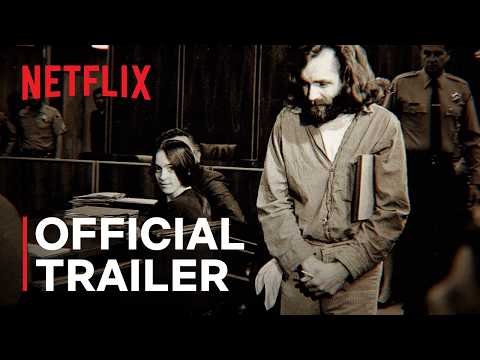
Images from the courtroom show Manson and his followers, who are described as his “puppets.” He was, in essence, “directing his own play,” manipulating the legal proceedings just as he manipulated his family. This aspect of the series promises to explore the complexities of proving guilt when the orchestrator is not the direct perpetrator.
The Final Chapter: A Killer’s Ambition
The trailer concludes with Manson’s chilling declaration: “I want the whole world, man, and I’m gonna get it. I’m gonna get my world sooner or later.” This final statement reinforces the depth of his megalomania and his unyielding belief in his own destiny, even from behind bars.
Final Verdict: A Must-Watch for True Crime Fans
Conversations with a Killer: The Charles Manson Tapes looks like an absolutely gripping and essential watch for anyone interested in true crime, cult psychology, or the dark underbelly of human nature. By featuring never-before-heard audio and rare interviews, the series promises to offer new perspectives on a case that continues to fascinate and horrify. It seems set to dissect not just the crimes, but the complex, manipulative personality of Manson himself and the terrifying power he held over his followers. Mark your calendars for August 12th on Netflix!
Key Takeaways
- Charles Manson was a master manipulator, described as a ‘chameleon’ who adapted his persona to control others.
- The docuseries features never-before-heard audio of Manson and rare interviews with former family members.
- Manson recruited runaways by offering them a ‘real family’ and a sense of belonging, preying on their vulnerabilities.
- The series explores Manson’s mind control tactics, highlighting his belief that he could control anyone he desired.
- Manson was obsessed with The Beatles, believing their songs conveyed messages directly to him.
- The legal challenge focused on convicting Manson for orchestrating the murders, even without his physical presence at the crime scenes.
Frequently Asked Questions
What is 'Conversations with a Killer: The Charles Manson Tapes' about?
The Netflix docuseries explores the life and crimes of Charles Manson and his ‘family’ through never-before-heard audio recordings of Manson himself and interviews with former family members and experts.
Who is Charles Manson?
Charles Manson was an American cult leader who orchestrated a series of brutal murders in 1969, carried out by his followers, known as the Manson Family.
What kind of new content does the docuseries offer?
The series features never-before-heard audio from Charles Manson, providing direct insight into his thoughts, as well as rare interviews with individuals who were part of his ‘family’ or involved in the case.
Did Charles Manson personally commit the murders?
The trailer indicates that Manson was not physically present with the killers during the murders, raising questions about how he was convicted for ‘pulling the strings’ and orchestrating the crimes.
How did Manson control his followers?
Manson used manipulative tactics, offering a sense of belonging and love to vulnerable individuals, often runaways, and gradually exerted psychological control, leading them to obey his commands.
When does 'Conversations with a Killer: The Charles Manson Tapes' release?
The docuseries is set to release on Netflix on August 12th.
What was the 'X' on some followers' foreheads?
Some of Manson’s followers famously carved an ‘X’ into their foreheads during his trial, symbolizing their allegiance to him and their rejection of society.